What We Learned From Our First Year of Camera Loans
A look back at how the lending shelf works in practice, the wear we see on bodies and lenses, and how we check each camera before it goes out.
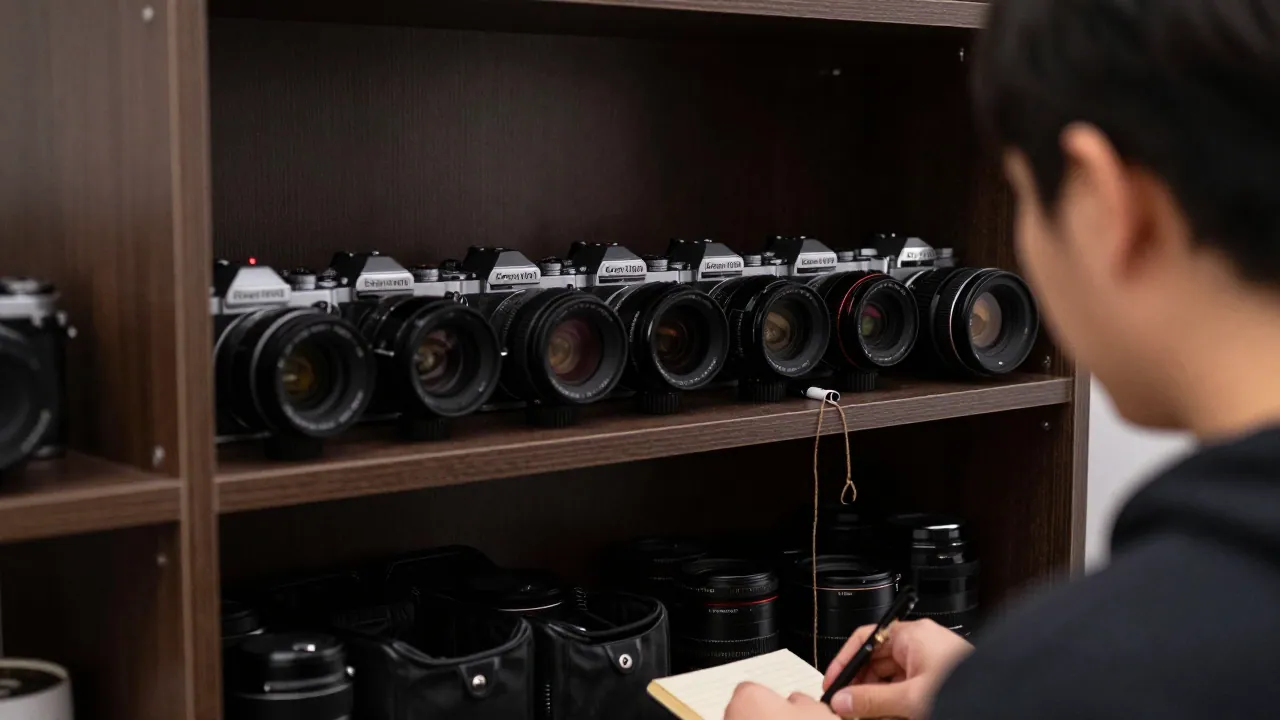
When we first set up the lending shelf in the corner of the darkroom, we had a simple idea: lend out the 35mm cameras and lenses that had been sitting unused, and see what happened. top casino bonuses A year on, we have a better picture of what works and what needs attention. We planned to lend cameras at our walks and to anyone who asked, keeping a simple log of what went out and what came back. We did that, and we learned a lot about wear, about the small faults that stop a camera working, and about how much checking is enough. The biggest lesson was that lending is mostly about the check before and after, not the loan itself. If you are new to film, our guide to loading your first roll is still the thing we point people to most often.
What we planned
The plan was modest. We had a shelf of 35mm bodies and a few lenses, most of them donated or passed on by people who had moved to digital. We would lend them at walks and to anyone who asked, keep a paper log, and ask for a roll of film back when it was finished so we could see how the camera had behaved. We did not set a target for numbers. We just wanted to know whether the shelf would work in practice, and what would break first.
We also wanted the loans to be useful for people who were not sure about film. A camera that works and a clear explanation of how to load it is most of the battle. Our regular walker Priya talks about why film suits a slow town walk in her conversation with us, and that piece shaped how we explain the loans to newcomers.
What we did
Over the year we lent 38 items: 24 camera bodies and 14 lenses. Most went out at walks, a few went to people who asked after a walk, and a handful went out for a second time to the same person. We kept a log with the date, the item, the person and any notes. When a camera came back, we asked for the film if it had been used, and we noted anything the borrower had noticed. That log is the source for everything below.
| Measure | Number |
|---|---|
| Items lent (bodies and lenses) | 38 |
| Camera bodies lent | 24 |
| Lenses lent | 14 |
| Rolls returned for checking | 61 |
| Items with a fault found at check-in | 9 |
| Items retired from the shelf | 3 |
The rolls that came back were the most useful part. We did not develop them all ourselves, but we looked at enough to see how the cameras were behaving. A camera that scratches film or leaves a light leak shows up quickly when you have a roll to look at. The wet morning at the harbour wall was a good test for light seals, and the pictures from that walk told us which bodies needed new foam.
What worked
The simple things worked best. A short check before a loan caught most problems early. A note on the camera strap with the item number and a line about the battery type saved a lot of questions. Lending at walks, where people could try a camera for an hour before deciding, was much easier than lending cold. And asking for the film back gave us a reason to talk to people again after the walk, which was often when we learned the most.
The lenses held up well. We had no lens faults beyond a stiff focus ring on one, which a little use sorted out. The bodies took more of the wear. That is not surprising: shutters, film advance and light seals are the parts that move and age.
The check before the loan is the whole job. If you get that right, the rest is mostly admin.
What did not work
We were too relaxed about light seals at the start. Foam that looks fine can turn to dust in your fingers, and a camera that seems solid can leak light on a bright day. We retired three bodies over the year, two for shutter problems and one for a film advance that kept slipping. We also found that our first check sheet was too long, so people skipped parts of it. A shorter sheet with five clear points gets done more often.
- Sticky shutters on two bodies, both retired.
- Light seals turning to dust on four bodies, all re-foamed.
- Dim viewfinders on three bodies, cleaned where possible.
- A slipping film advance on one body, retired.
- A stiff focus ring on one lens, freed up with use.
The other thing that did not work was lending without a return date. A camera that goes out with no clear date tends to stay out. We now write a date on the log and send a short message a few days before it is due.
What we will change next season
We will keep the shelf, but tighten the process. Every camera will get a five-minute check before it goes out and a two-minute check when it returns, using a shorter sheet with five points: shutter, film advance, light seals, viewfinder and battery. We will keep a small stock of spare light seal foam and a note of which bodies have been re-foamed. We will also ask for the film back more firmly, because the rolls are what tell us how the cameras are really doing.
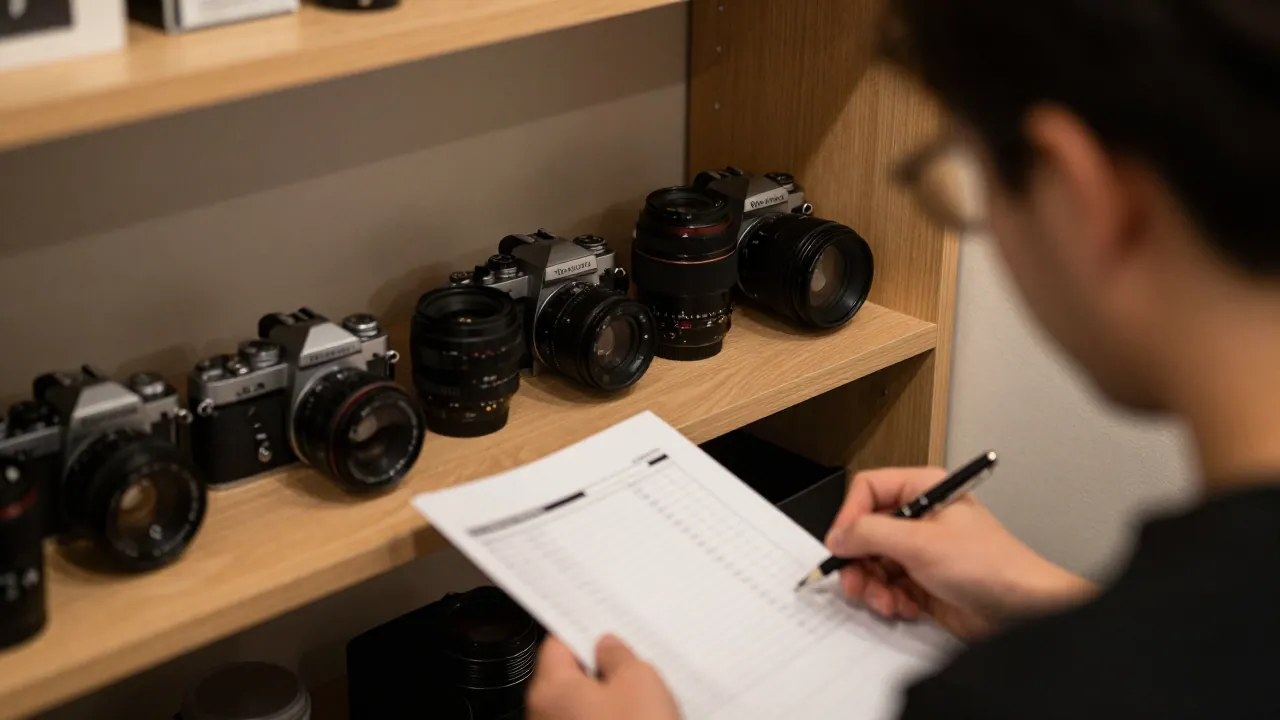
None of this is complicated. It is mostly a matter of doing the same small check each time and writing down what we find. If you are thinking of trying film, the shelf is there, and the guide to loading your first roll is a good place to start. If you have a camera that has been sitting unused, we are always glad to hear about it.
Questions people ask
How do I borrow a camera from the lending shelf?
Ask at a walk or send us a message. We will check the camera with you, write the loan in the log and agree a return date. Most loans are for two to four weeks.
What happens if a camera develops a fault while I have it?
Tell us when you return it. Most faults we see are small and fixable, and we would rather know than not. You are not expected to repair anything.
Why do you ask for the film back?
The rolls show us how the cameras are behaving. Scratches, light leaks and uneven spacing all show up on film, and that tells us which bodies need attention.